
Court sends Councilor Mahesh Sharma to 6-day police custody in extortion case
.gif)

Download Mobile App 






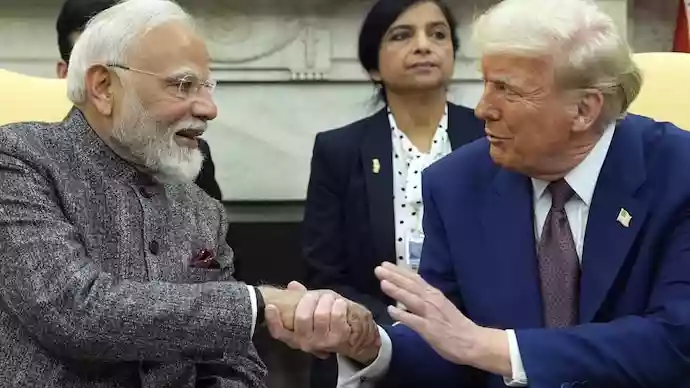
In a landmark development for India-US relations, President Donald Trump announced on Monday a significant reduction in reciprocal tariffs, lowering them from 25% to 18%. The decision followed a telephone conversation between President Trump and Prime Minister Narendra Modi, signaling a major de-escalation of a trade dispute that had seen tariffs on Indian exports soar as high as 50% in recent months. Trump described the move as a gesture of "friendship and respect" for PM Modi, whom he called a "powerful and respected leader."
A central pillar of this new trade deal is India’s commitment to stop purchasing Russian oil, a move the US has long demanded to squeeze Moscow’s wartime revenues. President Trump claimed that by diverting these imports to the United States and potentially Venezuela, India is playing a critical role in efforts to "END THE WAR in Ukraine." In exchange for the tariff relief, India has also agreed to move toward reducing its own trade barriers and tariffs against American goods to zero, while pledging to buy over $500 billion worth of US energy, technology, and agricultural products.
PM Modi welcomed the announcement on social media, thanking President Trump on behalf of 1.4 billion Indians. He noted that "Made in India" products would now find it easier to enter the US market, unlocking "immense opportunities for mutually beneficial cooperation." While an additional 25% tariff on certain Indian exports reportedly remains in place for now, the general mood is one of a breakthrough. The Prime Minister emphasized that when the world’s two largest democracies work together, it fosters global stability and prosperity.
The agreement comes at a crucial time, coinciding with External Affairs Minister S. Jaishankar's visit to Washington. Business leaders and markets have reacted positively, with the GIFT Nifty surging nearly 600 points following the news. By aligning on energy and trade, both leaders have framed the deal as a testament to their ability to "GET THINGS DONE," setting a new, cooperative trajectory for the bilateral partnership amid complex global shifts.

.webp)



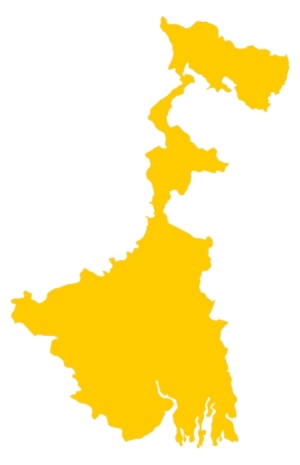 West Bengal
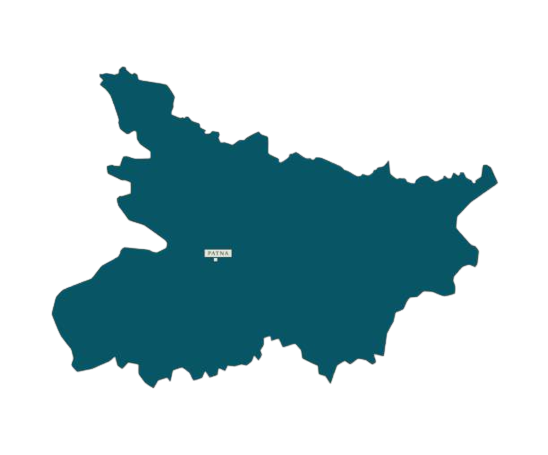 Bihar
Bihar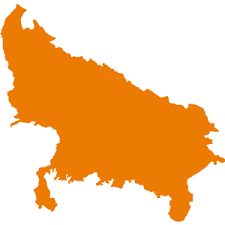 Uttar Pradesh
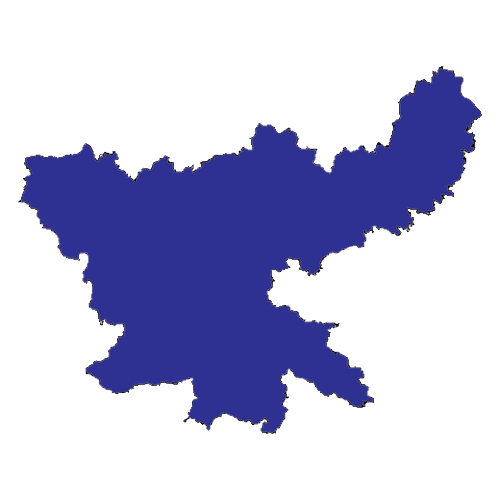 Jharkhand